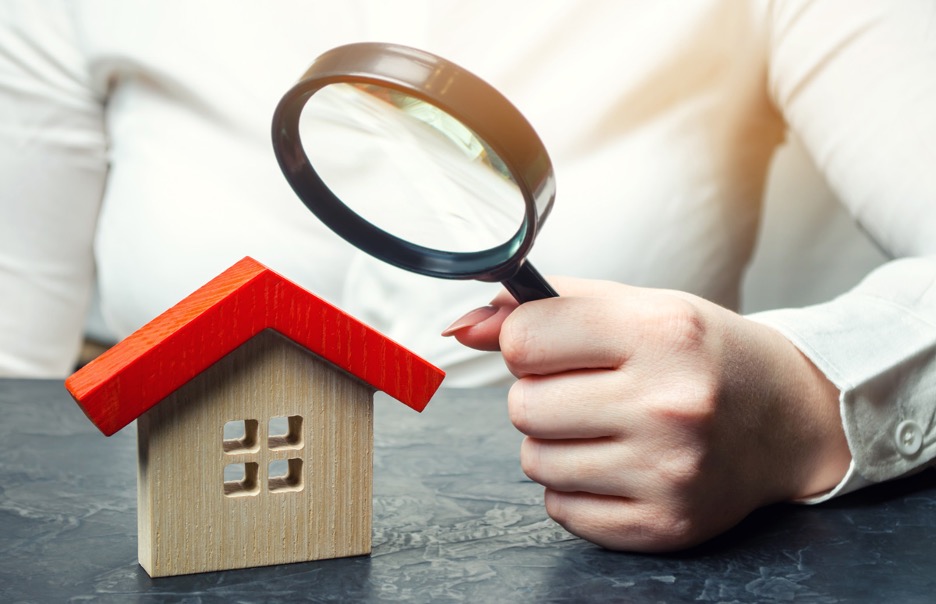
Understanding what increases or decreases property value can help homeowners make better renovation decisions, plan investments, and avoid costly mistakes.
Location: The Strongest Factor in Property Value
Location is usually the number one driver of value. Two similar homes can have very different prices depending on where they are built.
Key location influences include:
- Proximity to public transport
- Nearby schools and universities
- Shopping centres and medical facilities
- Crime rates and neighbourhood reputation
- Distance from beaches, parks, or city centres
- Future infrastructure projects
Even within the same suburb, a home on a quiet street will often outperform one near traffic or industrial zones.
Property Size and Layout
Land size plays a major role in long-term value. Larger blocks often attract families and developers, which increases demand.
However, layout matters too. A poorly designed floor plan can reduce appeal even if the property is large.
Value tends to increase when a property offers:
Functional open-plan living Multiple bathrooms Built-in storage Good natural lighting Parking or garage spaceA home that feels spacious and practical will usually outperform a cramped design.
Condition and Structural Integrity
Buyers are willing to pay more for a property that is move-in ready. If the property needs repairs, buyers often reduce their offer significantly.
Issues that reduce value include:
- Roof damage or leaks
- Cracked walls or foundations
- Rising damp or mould
- Old wiring or plumbing
- Pest damage
Even if cosmetic improvements look good, structural issues can heavily decrease value.
Renovations That Increase Property Value
Kitchen Upgrades
Modern kitchens are a major selling point. Simple changes like new benchtops, cabinetry, and appliances can lift value.
Bathroom Renovations
Bathrooms are also high priority for buyers. Clean, modern fittings often make a property more appealing.
Outdoor Improvements
Landscaping, decking, fencing, and outdoor entertaining areas add lifestyle value.
Energy Efficiency
Solar panels, insulation, double-glazed windows, and efficient heating/cooling systems can improve value, especially as energy costs rise.
Features That Can Decrease Property Value
Some features make a property harder to sell or reduce demand.
Common value-reducing factors include:
- Poor street appeal
- No parking space
- Noise pollution from traffic or rail lines
- Flood-prone location
- Poor ventilation and lighting
- Illegal building extensions
- Unapproved renovations
Even a small legal issue can scare off buyers or delay settlement.
Market Conditions and Buyer Demand
Property value is heavily influenced by the broader market. Even a well-maintained property may sell for less during a downturn.
Market factors include:
Interest rates Local job growth Migration trends Housing supply in the area Rental demand for investorsDuring high-demand periods, buyers may pay above valuation. During slow markets, negotiation power shifts to buyers.
The Importance of Professional Property Valuation
Many owners rely on online estimates, but these tools can be inaccurate because they do not account for property condition, renovations, or unique features.
Professional valuers consider:
- Recent comparable sales
- Location desirability
- Property improvements
- Land zoning and development potential
- Structural condition
Working with property valuers in Sydney can provide a realistic picture of your home’s value, especially if you’re planning to sell, refinance, or invest.
Zoning, Planning, and Development Potential
Zoning can significantly affect value. A property with development potential is often worth more than one with strict restrictions.
Value increases when:
- Land is zoned for multi-dwelling development
- Council allows extensions or granny flats
- Subdivision is possible
Value decreases when:
- Heritage restrictions apply
- Flood or bushfire zones restrict building
- Approvals are difficult or expensive
Legal restrictions can impact both buyers and developers.
Simple Ways to Protect Your Property Value
You don’t always need major renovations. Small consistent improvements can maintain or increase value.
Helpful steps include:
Keeping the property clean and well-maintained Repairing small issues quickly Repainting when needed Improving garden appearance Servicing air conditioning and heating systemsA property that looks cared for feels more valuable.
Conclusion
Property value is influenced by many factors, including location, condition, layout, market demand, and legal zoning. Renovations can help, but only if they match what buyers want. Understanding these factors allows you to make smarter decisions, avoid overcapitalising, and protect your investment long-term.
Author Bio
Jane Clark is a professional blogger who loves to write on numerous topics for businesses, investment, finance, business law and more.